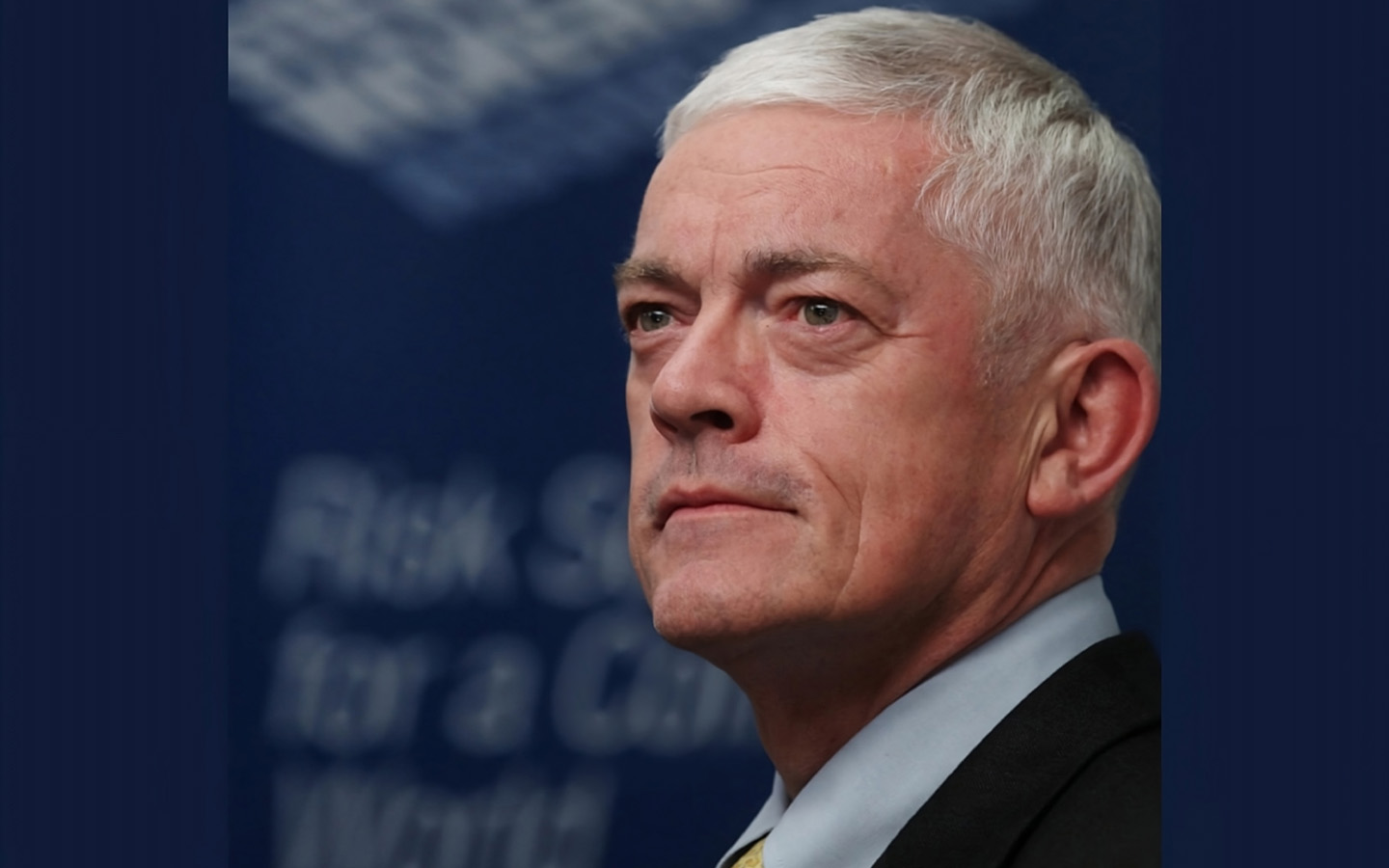
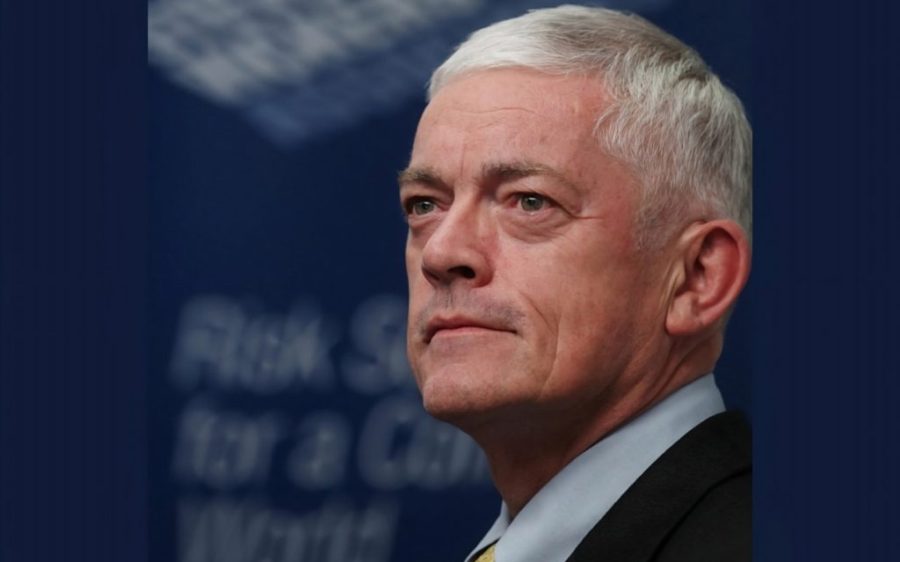
The last time Steve Vickers spoke at a BritCham Macao luncheon in early 2025, then president‑elect Donald Trump was preparing his return to the White House after campaigning on tougher negotiations with China under an America First agenda. Within weeks of being sworn into office, the incoming administration unleashed reciprocal tariffs and a series of erratic economic policies, prompting major trading partners to choose strategic alliances.
“Those fundamental changes are eroding APAC’s risk outlook,” the former head of Hong Kong’s Criminal Intelligence Bureau said at yesterday’s BritCham roundtable held at the Grand Hyatt.
Yet, even after shares on Wall Street and global export volumes recovered, unprecedented challenges are emerging, driving operational and insurance costs higher at a time when both the stock market and world economy are susceptible to heavy losses, Vickers said.
The security analyst described Sino-American linkages as “setting the weather,” stressing that only a handful of other geopolitical relationships shape global affairs as profoundly as those between Washington and Beijing. Few have managed to avoid the rivalry’s direct repercussions.
[See more: Intensifying operational risks lie ahead for the Asia-Pacific region, top analyst warns]
Speaking on the sidelines with Macao News, Vickers highlighted the saga surrounding CK Hutchison’s Panama Canal assets and HSBC’s decision to privatise Hang Seng Bank as examples of intermediaries that once thrived between Chinese and Western markets but are now under mounting pressure to align with one of the economic powers, setting the tone that others are expected to follow.
“Separating economic and security concerns is now close to impossible,” Vickers explained. He added that as new winners and losers emerge, companies should be mindful of their implications and understand how they affect tangible business risk in Greater China, Asia, and globally.
While the Panama Canal represents a shipping chokehold, accounting for a tenth of global maritime trade, the world’s local bank of HSBC is facing louder calls to split its operations to appease rival hemispheres, emphasising that no company, regardless of size or sector, is completely detached amid an unpredictable Sino-American détente.
Resilient exports and Macao’s edge
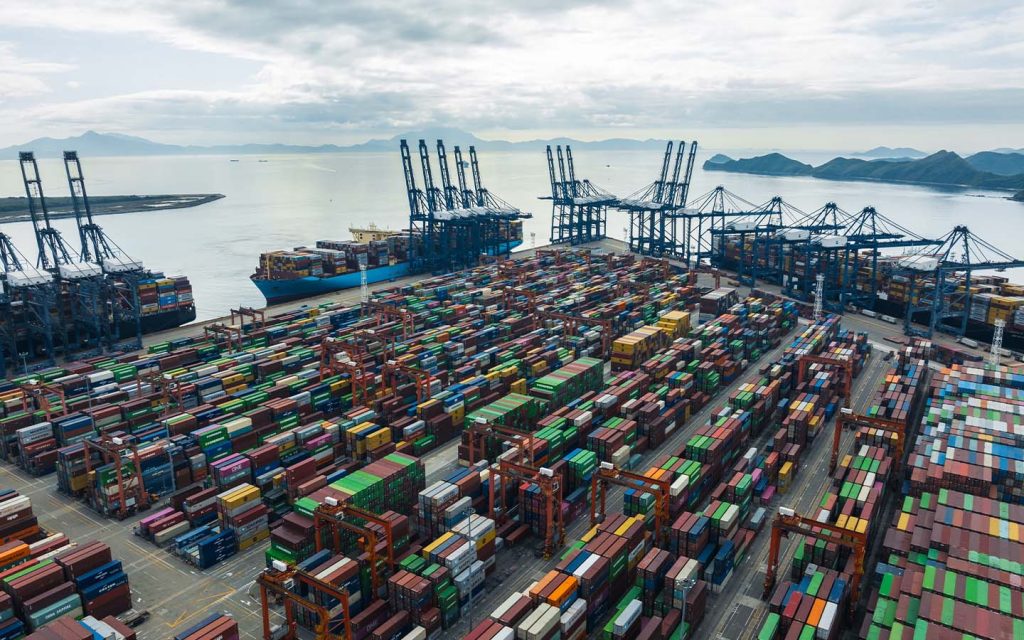
Despite early concerns that global trade would collapse following April’s reciprocal tariffs, export volumes have proved resilient, with a significant proportion rerouted to reach end consumers.
Chief financial officers who had long adopted “China + 1” strategies to diversify and mitigate operational costs saw fewer Chinese goods shipped to the US, with more redirected to ASEAN and the European bloc. However, these shifts have also exacerbated supply chain vulnerabilities and fuelled calls for protectionist measures in less competitive domestic industries, instigating other risks.
An increasing number of executives are now “unlearning” precepts of the globalised era, Vickers observes, adding that businesses are no longer able to utilise the cost benefits of just-in-time deliveries. Instead, CFOs are straining working capital resources by taking on extra inventory to reflect the growing list of strategic commodities necessary to do business.
The trajectory of this new normal will be tested later this April when President Trump is scheduled to meet Chinese President Xi Jinping in Beijing. “Any form of cancellation would be negatively interpreted,” Vickers says, but admits that extending a trade truce would not guarantee a more stable outlook.
[See more: China posts ‘hard-won’ record trade surplus in 2025]
With Trump’s popularity fading and likely neutralised in the upcoming midterm election in November, there may be a temptation to overreact to perceived US weakness in 2027, which happens to coincide with the 100th anniversary of the founding of China’s People’s Liberation Army. Any miscalculation could have serious consequences, he argues.
Closer to home, Vickers acknowledged Macao’s continuous efforts to diversify its economy and reduce the gaming industry’s reliance on junket operators, pointing to the tourism and mass-market driven gaming revenues as evidence of positive developments.
“Generally speaking, Macao is well insulated from much of the geopolitical risk discussed. Fewer junket operators here mean they go elsewhere in the region, it becomes a game of whack-a-mole.”
However, what bothers the security analyst is how many of those operators that left Macao ended up in crypto-related businesses. “That’s a concern for me and I think Macao needs to be vigilant against possible fraud. In my line of work, I have encountered two types of crypto individuals – those in jail, and those on their way to jail.”