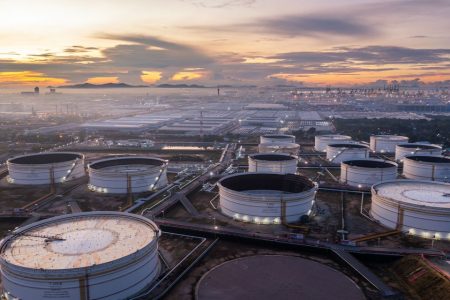
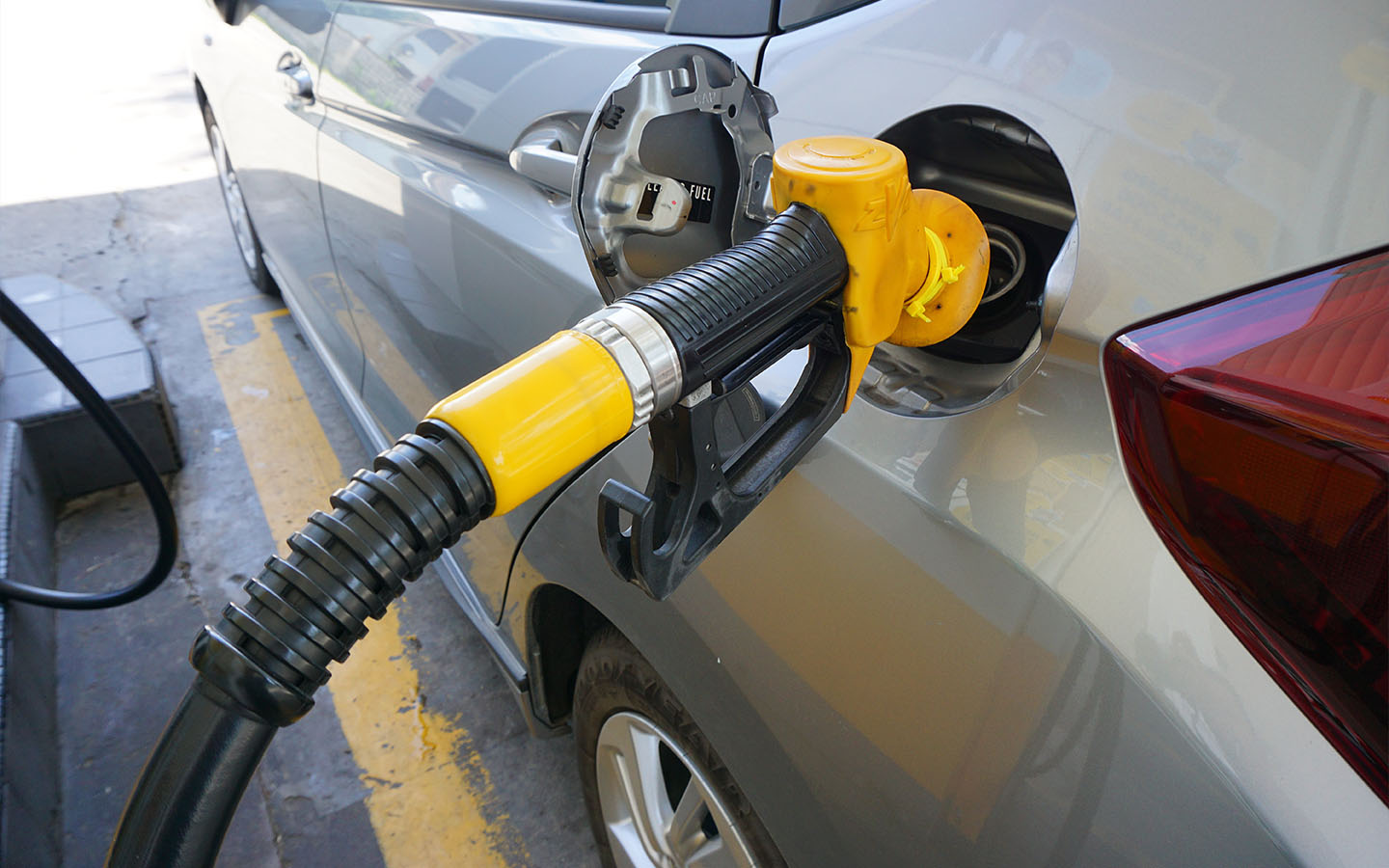
An increasing number of Hong Kong and Macao motorists are heading over to mainland China for cheaper fuel amid the ongoing war in the Middle East, which has resulted in a global oil price surge.
One mainland gas station attendant who spoke to Hong Kong broadcaster TVB revealed that in recent days, around 70 to 80 percent of the vehicles refilling their tanks at their station had entered the mainland from Hong Kong. The worker added that Macao motorists, who were faced with unleaded prices of around 16 patacas per litre, were also seeking cheaper alternatives in Zhuhai.
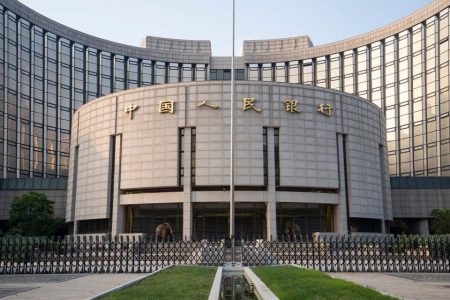
The increased demand for mainland fuel among SAR drivers comes in spite of mainland China’s decision on Tuesday to raise fuel prices to its highest level in recent years.
According to TVB, the price of 92, 95 and 98-octane gas in Shenzhen and Zhuhai petrol stations jumped from 7.66 yuan to 9.5 yuan per litre after the adjustment.
Despite the price hike, the cost of refuelling in the mainland remains only a third of the price in Hong Kong, making it a much cheaper option than refilling at home.
One Hong Kong motorist identified by the surname Chan said he only needed to pay 307 yuan for 37 litres of gas in the mainland, unlike in the SAR, where he would have had to pay twice as much.
Meanwhile, another Hong Kong resident with the surname Cheung told TVB that filling a full 60 litre tank of petrol would cost him HK$1,300 in Hong Kong. By contrast, he spent a little over HK$500 to pump his car in the mainland, where fuel was priced at 7.7 yuan per litre.
Ringo Lee Yiu-pui, the honorary life president of the Hong Kong, China Automobile Association, told Hong Kong’s Standard newspaper that more expensive Hong Kong fuel could drive local motorists to cross the border on a weekly basis to refill their tanks.
[See more: With the Iran war raging, petrol prices in the Greater Bay Area are set to increase]
Lee pointed out that under the current policy, only private vehicles were able to cross the border for cheaper mainland fuel. As a result, commercial vehicles such as buses, minibuses, delivery cars, taxis and ferries, could decide to pass their increased expenses over to customers.
He called on the authorities to cut the fuel tax, which currently stands at HK$6.06 per litre for unleaded petrol, by HK$2 to HK$3 per litre, so as to keep transport costs down and fuel prices consistent.
The Macau Fuel Industry Association meanwhile said it was continuing to monitor developments in the Middle East and was assessing the impact the conflict was having on global oil prices and supplies.
The association noted it would formulate measures to protect the supply of oil to Macao’s market and ensure that adjustments to the price of oil were being made in a reasonable manner.
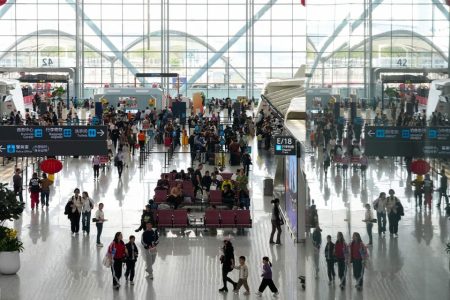
As oil prices surge, Hong Kong’s flagship carrier, Cathay Pacific, signalled at a press conference yesterday that it would be raising its fuel surcharge, which currently ranges between HK$142 and HK$569.
“If we look at the jet fuel prices so far in March, we see that jet fuel almost doubled compared to the average in January to February,” Cathay Pacific’s chief customers and commercial officer Lavina Lau pointed out. “As the fuel surcharge is based on jet fuel as a reference point, so we can expect that fuel surcharge will also go up because of the current unusual situation.”
Earlier this week, Hong Kong Airlines became the first carrier in the city to announce a fuel surcharge hike.
Meanwhile, mainland airlines in the Greater Bay Area, including China Southern and Shenzhen Airlines, follow a monthly schedule for the adjustment of their fuel surcharge prices, and are not scheduled to announce their updates until 5 April.