The Greater Bay Area’s (GBA) nine mainland Chinese cities recorded a foreign trade volume of 1.57 trillion yuan (US$227.65 billion) in January and February of this year. This represents a year-on-year jump of 22.4 percent, according to Guangdong Customs data cited by CCTV, and exceeds the overall trade growth rate nationwide by 4.1 percent.
The southern Chinese region also accounted for 20.4 percent of the trade volume across China and contributed up to 24.1 percent in terms of the country’s trade growth during the first two months of 2026.
Over this period, exports from the GBA reached a total of 1.01 trillion yuan (US$146.45 billion), up by 22.7 percent year-on-year. Meanwhile, imports hit a value of 565.01 billion yuan (US$81.92 billion), a rise of 22 percent in comparison to the same period in 2025.
Looking at the whole of Guangdong, the province’s foreign trade volume in January and February totalled 1.64 trillion yuan (US$237.8 billion), setting a new record for that period.
This total marks a year-on-year rise of 22.1 percent, and accounts for up to 21.2 percent of the foreign trade carried out in China over that period. As well, the province contributed 24.7 percent to the mainland’s foreign trade growth.
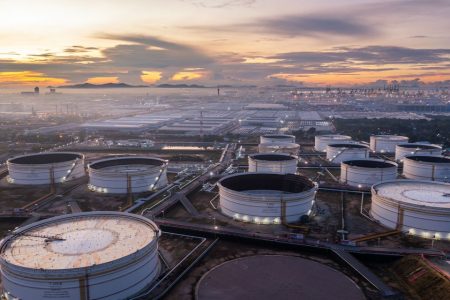
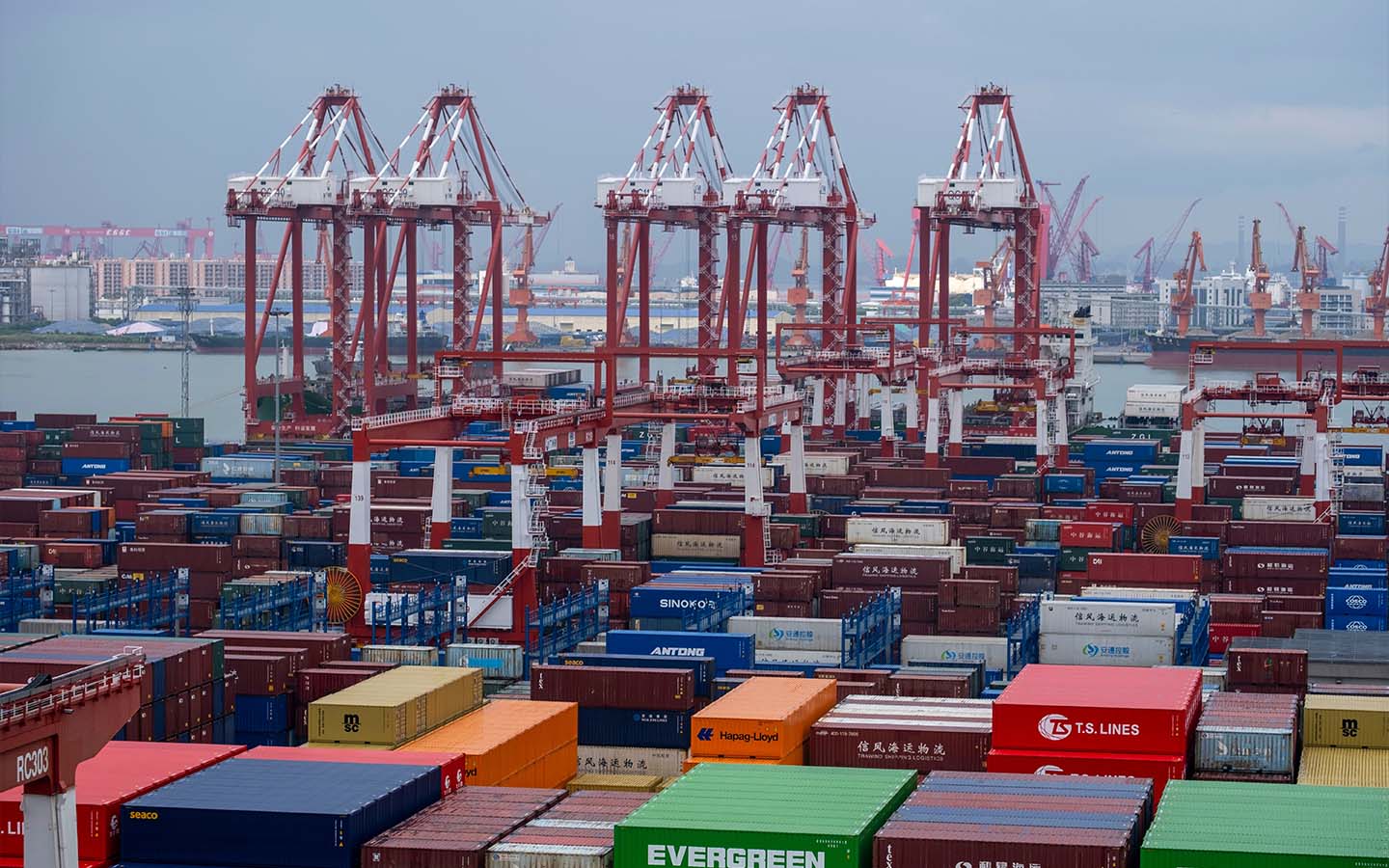
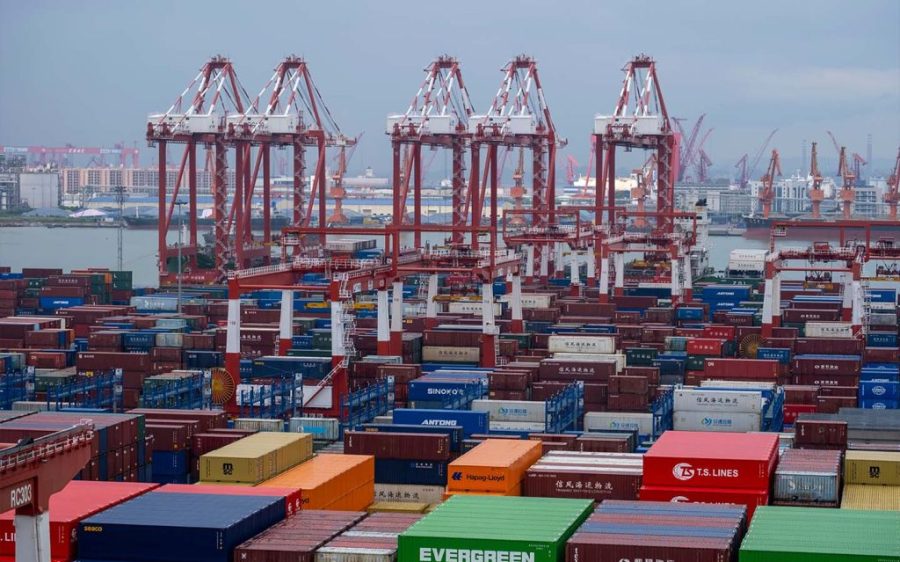
Of particular note is the significant amount of goods that passed through the provincial capital’s Port of Guangzhou. According to CCTV, the port handled over 30 million tons of goods in January and February and processed 2.5 million shipping containers. The number of cars that were exported through the port exceeded 120,000 vehicles, a growth of more than 30 percent year-on-year.
[See more: Half of China’s biggest urban economies are located in the Greater Bay Area]
Speaking to CCTV, Wu Sihai, the head of the Guangdong Custom’s statistical analysis department, said the province’s export of machine and electrical products witnessed a year-on-year growth of over 20 percent, accounting for more than 60 percent of the territory’s outbound trade in the first two months of this year.
Wu noted that new categories of products driving economic growth, such as industrial robots and 3D printers, continued to experience a considerable surge. The former recorded a rise of 30 percent, while the latter increased by at least 1.7 times.
Guangdong province and by extension, the GBA, remains one of China’s most productive economic regions. Over the past decade, GBA’s growth has been staggering, with official data indicating that its economy grew by 60 percent between 2016 and 2025.
Earlier this month, Guangdong’s most senior government official, Huang Kunming, revealed that the GBA was home to three out of the six largest urban economies in China. These cities – Shenzhen, Guangzhou and Hong Kong – each registered a gross domestic product (GDP) of over 3 trillion yuan (US$434.99 billion) in 2025.
Composed of nine mainland cities and the two special administrative regions of Hong Kong and Macao, the GBA generated an economic output of 15 trillion yuan (US$2.17 trillion) last year. In other words, one-ninth of China’s GDP originated from the urban cluster, which represented just 0.6 percent of Chinese territory.